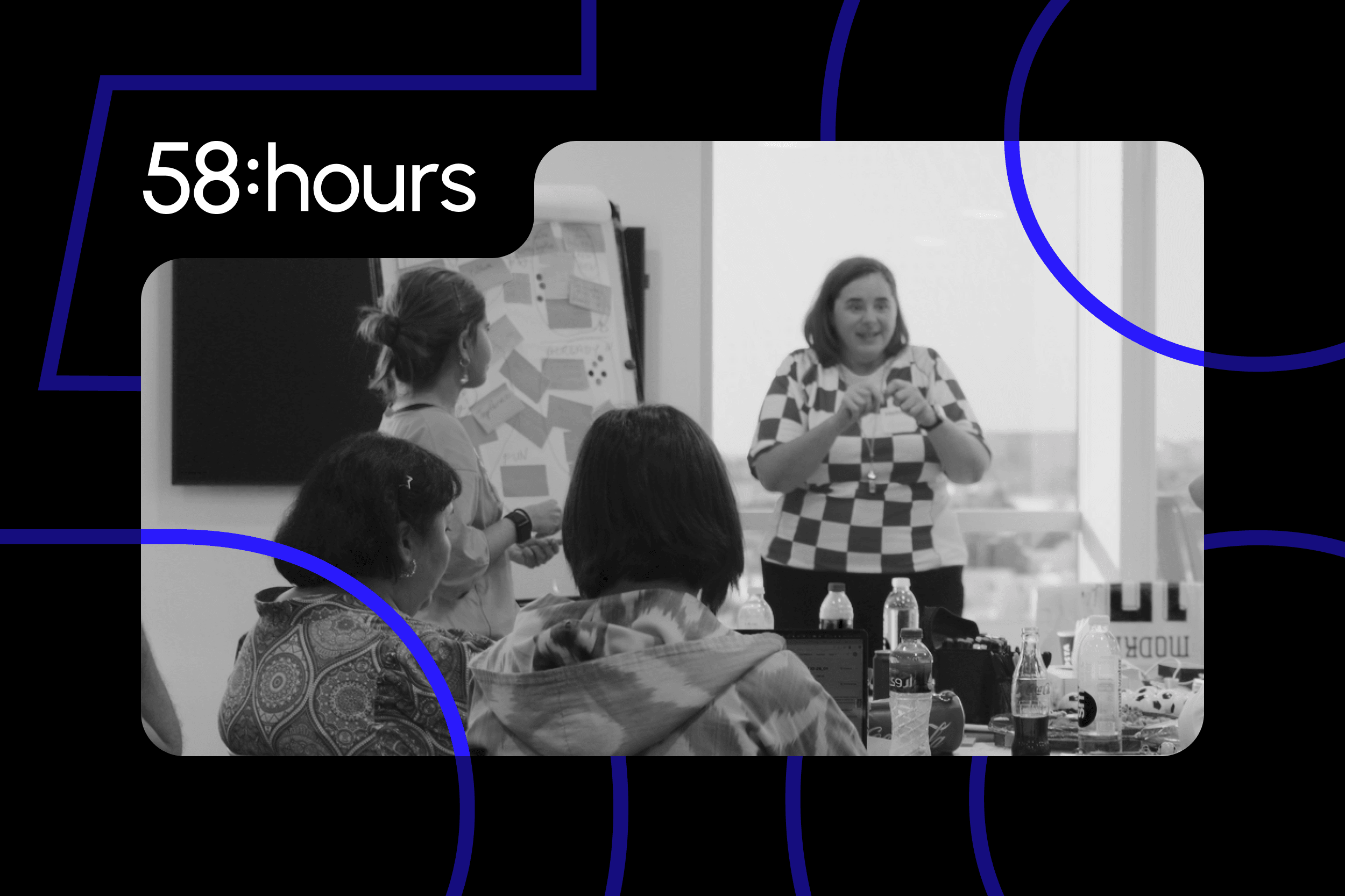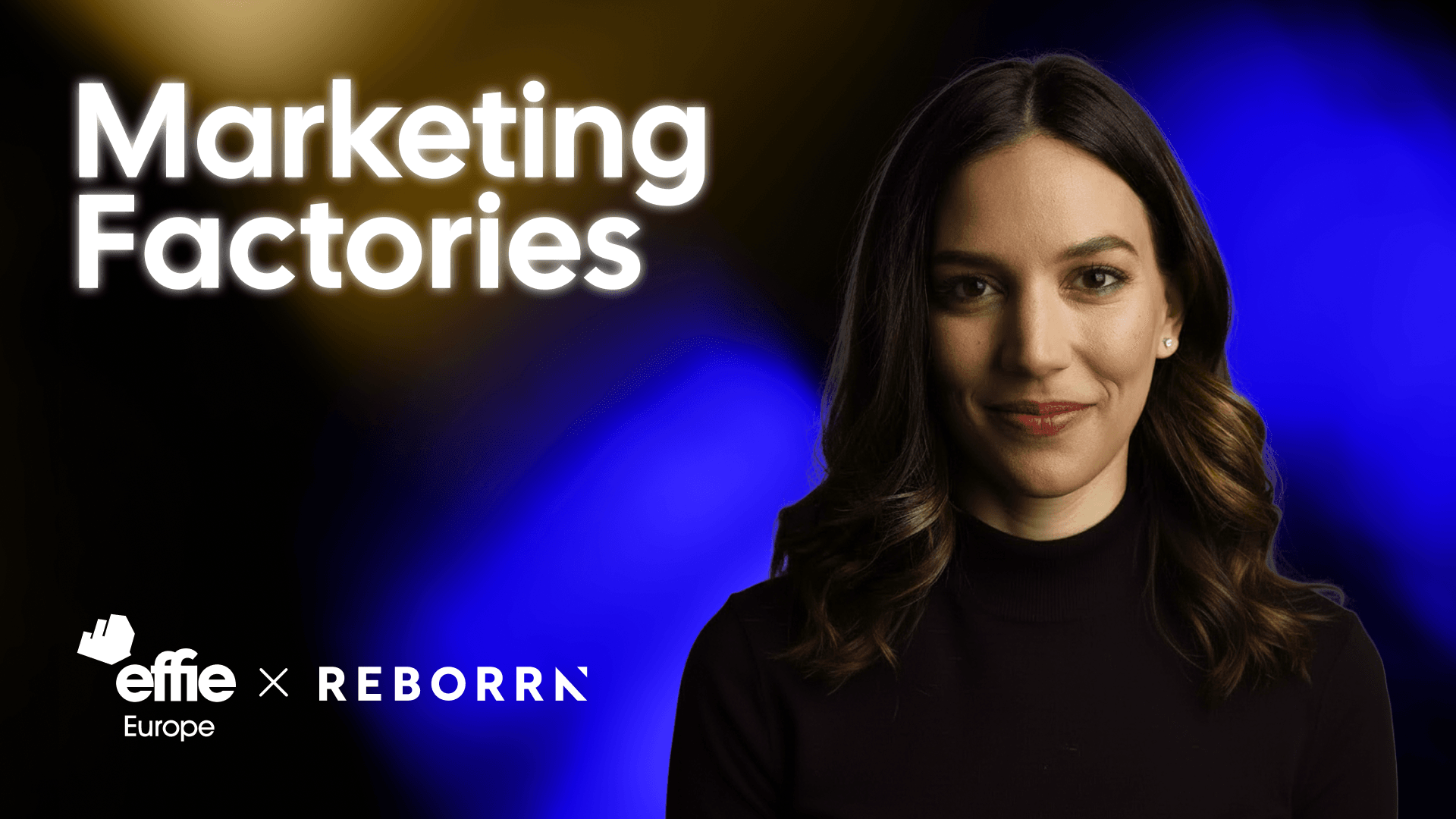
Introducing Marketing Factories, a new podcast by REBORRN.
You've seen the Cannes reel. The LinkedIn carousel breaking down what we can learn from Brand X. The podcast where a CMO talks about purpose for 45 minutes and says nothing about how anything actually got made. Almost none of those answer the only question that matters:
What's actually happening inside the teams that keep producing the work everyone else studies?
Not the final cut. Not the award entry with the swelling music. The fascinating, deeply human machinery underneath. The brief that got rewritten three times. The argument that saved the idea. The org design that made speed possible. The relationship between client and agency that either kills courage or creates it.
That's what we went looking for.
Welcome to Marketing Factories
Here's what nobody talks about at marketing conferences: most marketing teams are stuck. Not because they lack talent. Not because they don't understand their consumer. But because the way they're structured, the way they make decisions, the way they brief and approve and iterate is, at best, ineffective. The industry celebrates outputs obsessively and ignores the operating systems that produce them.
Marketing Factories is our very own travelling podcast series. Every episode is filmed on location, inside the actual buildings where the work gets done. Amsterdam. Atlanta. London. This matters because context is content. You learn something different about a brand when you see the view from their office window. When you notice whether the agency sits in the same room as the client.
We go inside the offices, the R&D labs, and the war rooms of the world's most effective marketing organisations. We sit down with the people who run them, to talk about how they make things. Because great marketing isn't born in a moment of genius. It's built. Inside rooms where people argue about priorities. Inside spreadsheets nobody celebrates. Inside organisations that have figured out how to turn fragile ideas into repeatable impact.
Every company that produces great work has something invisible inside it. A system. A rhythm. A way of making decisions. A way of killing bad ideas. A way of protecting good ones.
Why "Factory"?
Yes, we know. The word grates against everything the industry tells itself. Marketing is art. Creativity is magic. Factories are for assembly lines.
Except, every team that consistently ships great work will, if they're honest, describe something that sounds a lot like a factory. Repeatable processes. Quality control. Raw materials fed into a system that refines them. A production rhythm that doesn't depend on one person having a good day.
The word is deliberately uncomfortable. The teams that produce the best creative work in the world are not winging it. They've industrialised the conditions for creativity without industrialising creativity itself. That distinction is everything. Courage without structure is just chaos. Structure without courage is just bureaucracy. The best marketing teams hold both. That's a factory worth studying.
REBORRN x Effie Awards Europe
Marketing is changing faster than marketers can. Everyone's watching the work, and we're inside the systems that produce it, redesigning how teams work so the next output is better, faster, and braver than the last.
As REBORRN, we work within global marketing teams. Not by handing them a strategy deck but by rewiring how they operate and staying through the hardest part: activation. We redesign the org structures, processes, and ways of working that slow marketing down, then we stay until planning turns into progress. In weeks, not quarters. That work gives us a front-row seat to what actually makes some marketing teams thrive while others stall.
Effie Awards Europe celebrates the work that actually worked. The proven, measurable effectiveness behind the campaigns the industry admires.
The Premiere: Inside the Magnum Machine
We started with Magnum, a brand that's living through one of the most fascinating transitions in modern marketing. Less than a year ago, Magnum spun off from Unilever to become the flagship of an independent ice cream company. Thirteen people run the global brand. Thirteen. For a multi-billion dollar business operating in dozens of markets. They carry decades of heritage while rewriting the playbook in real time, building the airplane while flying it, as they put it.
We sat down with Tobias, who leads global master brand marketing at The Magnum Ice Cream Company, and Bruno, the strategist at Lola MullenLowe in Madrid who's been the brand's creative partner for years. What emerged was a story about what happens when a team has to define its own identity, fast, while the market, the competition, and a 400% spike in cocoa prices are all moving against them.
They told us how five years of social listening led them to a sound. The crack of Magnum's chocolate shell. That consumers had been obsessing over without the brand fully realising it. How that sound became the entire strategic platform for justifying premium pricing under pressure. How they recorded the actual crack of every product format rather than faking it, because in a world of AI-generated everything, authenticity becomes a competitive weapon.
They told us about briefing R&D chefs with creative concepts like "purity" and "craftsmanship" before a single flavour profile exists, so the product and the communication are born from the same idea. About building a campaign system called "House of Magnum" that lets dozens of markets activate the same creative universe without diluting the brand.
And they told us what didn't work. The conceptually rich campaign that was consumer-incomprehensible. The collaboration idea with too many narrative layers to land. The humility to kill beautiful things that don't connect.
Episode One dropped today. You'll want to hear the crack for yourself.
Follow us on YouTube, Spotify, and Apple Podcasts to get notified for every new episode.
Marketing Factories is produced by REBORRN in partnership with Effie Awards Europe and the European Association of Communications Agencies (EACA). Hosted by Dafni Prosalika.